Article
The Healthiest Building: FM’s Role in Battling India’s Indoor Air Pollution Crisis
February 27, 2026
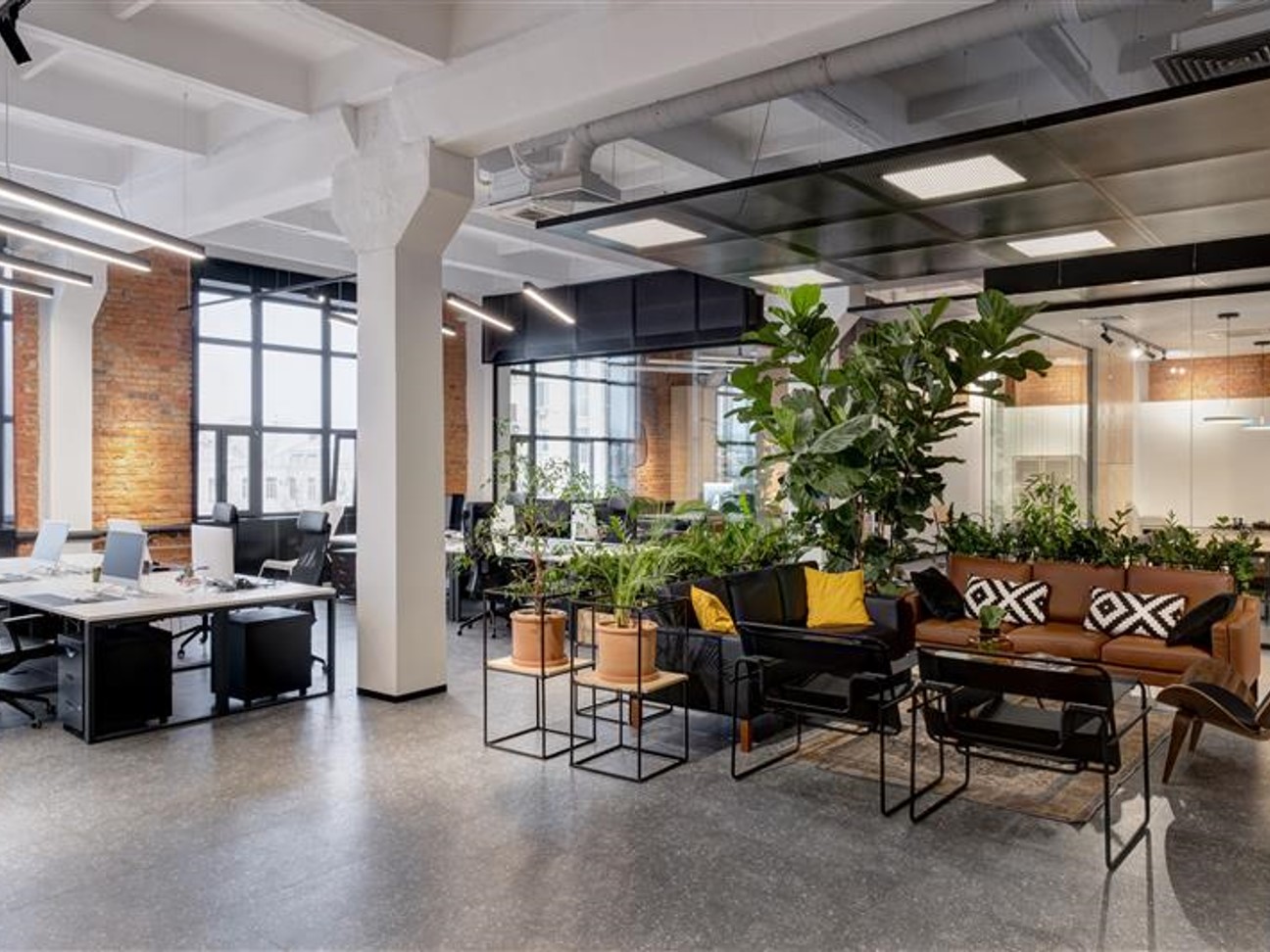
In India's rapidly developing urban landscape, the measure of a "healthiest building" has shifted dramatically. It’s no longer about luxury or elegant aesthetics, but about one critical, invisible factor: Indoor Air Quality (IAQ). With persistently severe outdoor pollution (PM 2.5, PM 10, and other toxic particulates) posing a fundamental public health threat, our buildings are now functioning as vital safe havens. Given that we spend the vast majority of our lives indoors - in offices, schools, and homes—the quality of the air we breathe directly dictates our health, cognitive function, and overall productivity. This profound reality places Facility Management (FM) at the absolute forefront of public health and sustainability, elevating their mission from routine equipment upkeep to a health-critical imperative.
The Evolution of IAQ: From Comfort to Command
Across the globe, IAQ standards have evolved at a breakneck pace, driven by a deepening scientific understanding of pollutants, ventilation dynamics, and particulate matter. Influential scientific and policy bodies, such as the American Society of Heating, Refrigerating and Air-Conditioning Engineers (ASHRAE), have introduced increasingly stringent guidelines. IAQ has unequivocally moved from being a simple comfort metric to a non-negotiable health-critical benchmark. This fundamental shift has massively expanded the FM responsibility: it is no longer enough to merely keep the machinery running; FM must now actively manage the entire building as a living ecosystem that directly sustains human vitality.
For facility leaders, IAQ can no longer be a technical afterthought; it must be a core operational priority. Creating truly healthy air is a deliberate, multi-layered process founded on proactive design influence, rigorous maintenance, and continuous monitoring. Healthy air begins long before the first occupant arrives right at the drawing board. FM teams must be engaged early in the design phase to critically influence decisions regarding ventilation layouts, equipment sizing, filtration levels, and material selection. All too often, legacy HVAC systems struggle to serve modern, high-occupancy environments they were never designed for. Early FM engagement prevents these costly misalignments and guarantees the building's infrastructure is actually fit for India's extreme pollution reality.
Once operational, maintenance becomes the backbone of IAQ. Superficial cleaning simply won't cut it. Coils, ducts, filters, and air-handling units, if neglected, quickly become sources of contamination trapping pathogens, fine particulates, and Volatile Organic Compounds (VOCs). FM must champion the shift from basic housekeeping to deep, systems-level HVAC hygiene to ensure that the mechanical layers are protecting occupants, not polluting them.
Furthermore, relying on fixed design parameters is now obsolete. IAQ is a data-driven, dynamic variable. Real-time monitoring of key pollutants like PM 2.5, CO2, VOCs, and humidity offers an immediate, clear picture of air behaviour. Smart sensors connected to Building Management Systems (BMS) enable dynamic adjustments such as instantly increasing fresh-air intake or enhancing filtration based on fluctuating occupancy or spikes in outdoor pollution. This ensures IAQ is actively managed, rather than passively assumed.
The acute outdoor pollution crisis in India makes IAQ management uniquely challenging. The objective is not simply to pull in "fresh air," but to deliberately and measurably inject clean air. Buildings must actively filter out high concentrations of outdoor particulate matter. This requires a three-pronged approach:
· High-Efficiency Filtration (demanding the utilization of advanced filters, typically MERV 13 or higher, capable of trapping the smallest, most dangerous fine particles).
· Source Control (implementing stringent protocols for airtight storage of chemicals and making thoughtful material choices during construction and renovation to minimize indoor emissions).
· Airtightness (conducting continuous assessment and retrofitting of existing building envelopes that were not designed for the current pollution reality).
Crucially, technical solutions need the full support of occupants. FM teams must proactively cultivate the building's culture of health. Transparent communication, periodic IAQ performance reports, and occupant education are essential to build trust and ensure people understand and support the necessary health and safety measures.
The Ultimate Payoff
Ultimately, advancing IAQ is a strategic, high-value investment in human capital. Studies consistently confirm that good IAQ leads directly to sharper cognitive performance, significantly reduced absenteeism, and higher overall productivity. For organizations, this translates into resilient operations and superior talent retention.
For FM professionals, this is the profound opportunity to evolve from operational custodians into genuine champions of human health. Clean air is no longer a luxury; it is the defining standard of a responsible built environment, and FM is the decisive force making it possible.
The Evolution of IAQ: From Comfort to Command
Across the globe, IAQ standards have evolved at a breakneck pace, driven by a deepening scientific understanding of pollutants, ventilation dynamics, and particulate matter. Influential scientific and policy bodies, such as the American Society of Heating, Refrigerating and Air-Conditioning Engineers (ASHRAE), have introduced increasingly stringent guidelines. IAQ has unequivocally moved from being a simple comfort metric to a non-negotiable health-critical benchmark. This fundamental shift has massively expanded the FM responsibility: it is no longer enough to merely keep the machinery running; FM must now actively manage the entire building as a living ecosystem that directly sustains human vitality.
For facility leaders, IAQ can no longer be a technical afterthought; it must be a core operational priority. Creating truly healthy air is a deliberate, multi-layered process founded on proactive design influence, rigorous maintenance, and continuous monitoring. Healthy air begins long before the first occupant arrives right at the drawing board. FM teams must be engaged early in the design phase to critically influence decisions regarding ventilation layouts, equipment sizing, filtration levels, and material selection. All too often, legacy HVAC systems struggle to serve modern, high-occupancy environments they were never designed for. Early FM engagement prevents these costly misalignments and guarantees the building's infrastructure is actually fit for India's extreme pollution reality.
Once operational, maintenance becomes the backbone of IAQ. Superficial cleaning simply won't cut it. Coils, ducts, filters, and air-handling units, if neglected, quickly become sources of contamination trapping pathogens, fine particulates, and Volatile Organic Compounds (VOCs). FM must champion the shift from basic housekeeping to deep, systems-level HVAC hygiene to ensure that the mechanical layers are protecting occupants, not polluting them.
Furthermore, relying on fixed design parameters is now obsolete. IAQ is a data-driven, dynamic variable. Real-time monitoring of key pollutants like PM 2.5, CO2, VOCs, and humidity offers an immediate, clear picture of air behaviour. Smart sensors connected to Building Management Systems (BMS) enable dynamic adjustments such as instantly increasing fresh-air intake or enhancing filtration based on fluctuating occupancy or spikes in outdoor pollution. This ensures IAQ is actively managed, rather than passively assumed.
The acute outdoor pollution crisis in India makes IAQ management uniquely challenging. The objective is not simply to pull in "fresh air," but to deliberately and measurably inject clean air. Buildings must actively filter out high concentrations of outdoor particulate matter. This requires a three-pronged approach:
· High-Efficiency Filtration (demanding the utilization of advanced filters, typically MERV 13 or higher, capable of trapping the smallest, most dangerous fine particles).
· Source Control (implementing stringent protocols for airtight storage of chemicals and making thoughtful material choices during construction and renovation to minimize indoor emissions).
· Airtightness (conducting continuous assessment and retrofitting of existing building envelopes that were not designed for the current pollution reality).
Crucially, technical solutions need the full support of occupants. FM teams must proactively cultivate the building's culture of health. Transparent communication, periodic IAQ performance reports, and occupant education are essential to build trust and ensure people understand and support the necessary health and safety measures.
The Ultimate Payoff
Ultimately, advancing IAQ is a strategic, high-value investment in human capital. Studies consistently confirm that good IAQ leads directly to sharper cognitive performance, significantly reduced absenteeism, and higher overall productivity. For organizations, this translates into resilient operations and superior talent retention.
For FM professionals, this is the profound opportunity to evolve from operational custodians into genuine champions of human health. Clean air is no longer a luxury; it is the defining standard of a responsible built environment, and FM is the decisive force making it possible.