Article
FM as the Retention Driver: Designing Spaces for Neurodiversity and Wellness
January 22, 2026
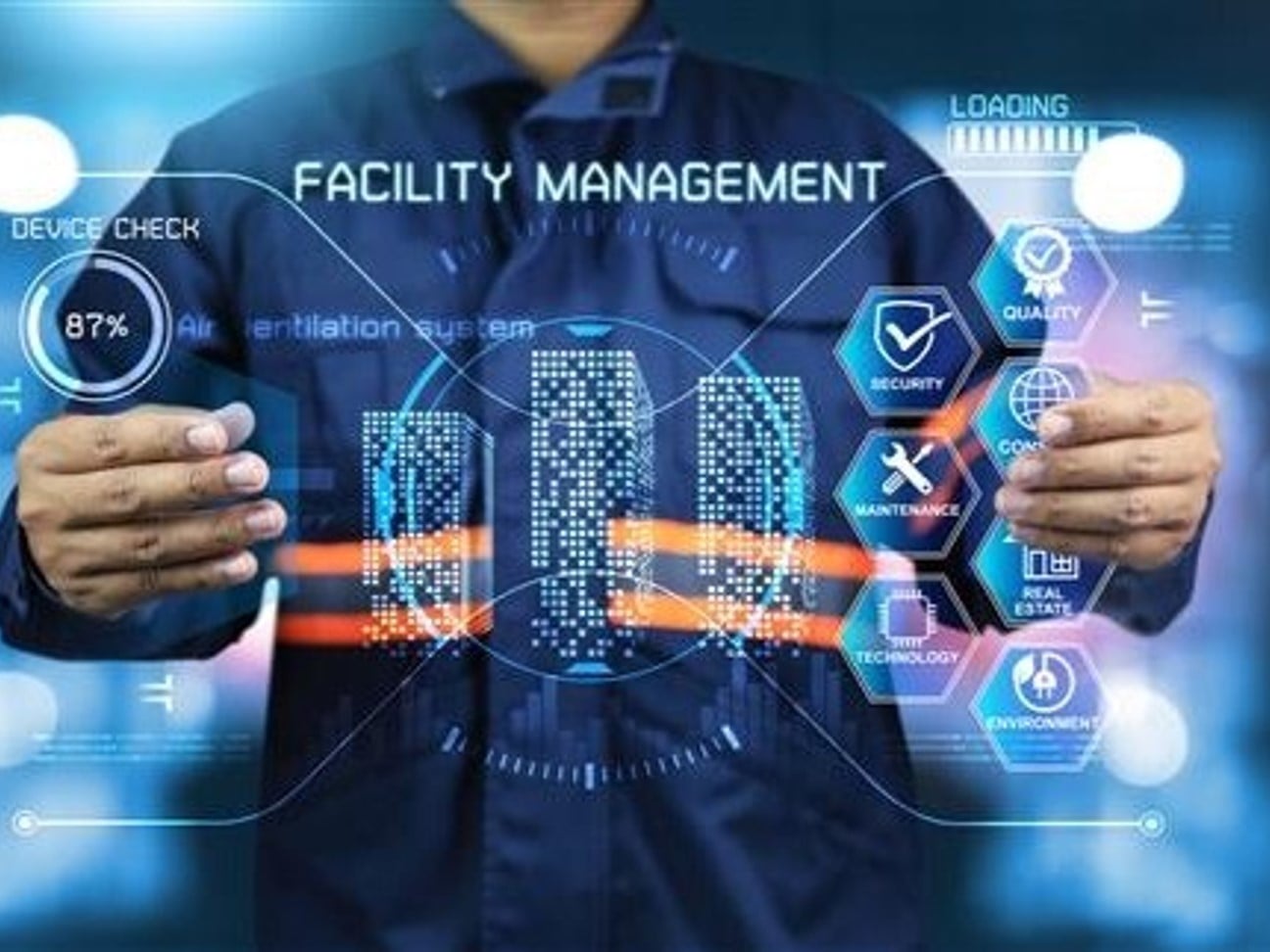
In today’s world of work defined by shifting expectations, hybrid models, and heightened awareness of wellbeing, employee retention has become one of the clearest indicators of organizational health. While HR and leadership continue to drive engagement strategies, another function has quietly emerged as a powerful influence on whether employees choose to stay: Facilities Management (FM).
FM today goes beyond maintaining buildings or managing operations. It shapes daily experiences. It influences how people feel, how they collaborate, how they think, and ultimately, whether they can envision a long-term future within the organization. As companies rethink their workplace strategies, FM now sits at the intersection of physical design, human behaviour, and organizational culture.
A major part of this evolution is the growing emphasis on two critical focus areas: designing for neurodiversity and embedding wellness into the everyday environment. Together, these priorities have shifted the conversation from “How should workplaces look?” to “How should workplaces help people thrive?”
Why Neurodiversity Belongs at the Center of Workplace Strategy
Neurodiversity is no longer a niche concept. More employees are openly identifying with different cognitive styles including ADHD, autism spectrum conditions, dyslexia, dyspraxia, and other neurological variations. The belief that everyone performs best under the same conditions has long been disproven; today, we understand that the environment plays a pivotal role in enabling different brains to function optimally.
Traditional office designs often loud, unpredictable, and sensory-heavy can disadvantage neurodivergent employees by affecting focus, emotional regulation, and overall satisfaction. Importantly, sensory-friendly, predictable, and flexible environments not only support neurodivergent employees, they enhance experiences for everyone.
As awareness grows, employees increasingly gravitate toward organizations that acknowledge these needs and respond through thoughtful, inclusive design. This is where FM becomes an essential retention partner.
FM’s Expanding Role in Shaping Neuro-Inclusive Spaces
To support diverse cognitive needs, FM teams are incorporating features such as:
Quiet rooms and focus pods for refuge from noise and distractions.
Adaptive lighting that minimizes glare and offers user-level control.
Calming materials and colour palettes that promote sensory balance.
Clear spatial zoning and predictable pathways to ease navigation.
Acoustic panels and sound masking solutions for more controlled auditory experiences.
These subtle yet impactful choices communicate a powerful message: the workplace is designed for people, not just processes. Employees who feel that their comfort is prioritised are more likely to remain engaged and committed.
Wellness-Centric Design: From Perk to Expectation
Wellbeing, once considered a workplace perk, has become a core expectation. Employees now seek environments that support mental clarity, physical health, and emotional stability, all of which directly influence productivity and long-term satisfaction.
FM teams are championing wellness through:
Biophilic design, incorporating natural light, greenery, and nature-inspired textures.
Air quality monitoring and enhanced ventilation to support sustained alertness.
Ergonomic furniture and movement-enabling layouts for healthier work habits.
Calming breakout spaces for reset moments during high-pressure periods.
These elements go far beyond aesthetics. They reduce stress, heighten focus, and create a space employees genuinely enjoy being in. When the workplace becomes a source of comfort not strain attachment to the organization deepens naturally.
Zoning for Autonomy: The New Workplace Currency
One of the strongest drivers of engagement is a sense of autonomy. Employees want the freedom to choose where and how they work whether to collaborate, concentrate, disconnect, or shift between tasks based on their cognitive and emotional needs.
Forward-looking FM strategies now create:
Collaboration hubs for team interaction.
Individual workrooms for deep-focus tasks.
Social lounges that build community and belonging.
Wellness or digital-detox corners for mental reset.
Agile seating and adaptable layouts that evolve with work patterns.
By offering variety, FM empowers employees to shape their workday, an experience closely tied to satisfaction and retention.
Smart FM: Using Data to Support Human Needs
Data-driven FM is closing the gap between design intentions and real-world use. Through sensor analytics, utilisation data, environmental monitoring, and continuous feedback loops, FM teams can understand what works and what needs refinement.
This approach enables workplaces to adapt over time, improving comfort, enhancing efficiency, and responding to changing employee expectations. When improvements are visible and ongoing, employees feel heard and valued reinforcing trust in the organisation.
FM: A Strategic Partner in Talent Retention
Today’s workplace is shaped not just by architecture or technology, but by empathy, inclusivity, and thoughtful design. FM plays a critical role in bringing these values to life by creating environments that support diverse cognitive needs and prioritise holistic wellbeing.
A well-designed workplace says more than any policy document. It says:
“We see you. We understand you. And we want you to succeed here.”
When employees feel acknowledged and supported in this way, retention becomes a natural outcome not something driven by incentives alone.
FM is no longer just maintaining spaces. It is shaping experiences, supporting neurodiversity, enhancing wellness, and ultimately influencing why people choose to stay.
FM today goes beyond maintaining buildings or managing operations. It shapes daily experiences. It influences how people feel, how they collaborate, how they think, and ultimately, whether they can envision a long-term future within the organization. As companies rethink their workplace strategies, FM now sits at the intersection of physical design, human behaviour, and organizational culture.
A major part of this evolution is the growing emphasis on two critical focus areas: designing for neurodiversity and embedding wellness into the everyday environment. Together, these priorities have shifted the conversation from “How should workplaces look?” to “How should workplaces help people thrive?”
Why Neurodiversity Belongs at the Center of Workplace Strategy
Neurodiversity is no longer a niche concept. More employees are openly identifying with different cognitive styles including ADHD, autism spectrum conditions, dyslexia, dyspraxia, and other neurological variations. The belief that everyone performs best under the same conditions has long been disproven; today, we understand that the environment plays a pivotal role in enabling different brains to function optimally.
Traditional office designs often loud, unpredictable, and sensory-heavy can disadvantage neurodivergent employees by affecting focus, emotional regulation, and overall satisfaction. Importantly, sensory-friendly, predictable, and flexible environments not only support neurodivergent employees, they enhance experiences for everyone.
As awareness grows, employees increasingly gravitate toward organizations that acknowledge these needs and respond through thoughtful, inclusive design. This is where FM becomes an essential retention partner.
FM’s Expanding Role in Shaping Neuro-Inclusive Spaces
To support diverse cognitive needs, FM teams are incorporating features such as:
Quiet rooms and focus pods for refuge from noise and distractions.
Adaptive lighting that minimizes glare and offers user-level control.
Calming materials and colour palettes that promote sensory balance.
Clear spatial zoning and predictable pathways to ease navigation.
Acoustic panels and sound masking solutions for more controlled auditory experiences.
These subtle yet impactful choices communicate a powerful message: the workplace is designed for people, not just processes. Employees who feel that their comfort is prioritised are more likely to remain engaged and committed.
Wellness-Centric Design: From Perk to Expectation
Wellbeing, once considered a workplace perk, has become a core expectation. Employees now seek environments that support mental clarity, physical health, and emotional stability, all of which directly influence productivity and long-term satisfaction.
FM teams are championing wellness through:
Biophilic design, incorporating natural light, greenery, and nature-inspired textures.
Air quality monitoring and enhanced ventilation to support sustained alertness.
Ergonomic furniture and movement-enabling layouts for healthier work habits.
Calming breakout spaces for reset moments during high-pressure periods.
These elements go far beyond aesthetics. They reduce stress, heighten focus, and create a space employees genuinely enjoy being in. When the workplace becomes a source of comfort not strain attachment to the organization deepens naturally.
Zoning for Autonomy: The New Workplace Currency
One of the strongest drivers of engagement is a sense of autonomy. Employees want the freedom to choose where and how they work whether to collaborate, concentrate, disconnect, or shift between tasks based on their cognitive and emotional needs.
Forward-looking FM strategies now create:
Collaboration hubs for team interaction.
Individual workrooms for deep-focus tasks.
Social lounges that build community and belonging.
Wellness or digital-detox corners for mental reset.
Agile seating and adaptable layouts that evolve with work patterns.
By offering variety, FM empowers employees to shape their workday, an experience closely tied to satisfaction and retention.
Smart FM: Using Data to Support Human Needs
Data-driven FM is closing the gap between design intentions and real-world use. Through sensor analytics, utilisation data, environmental monitoring, and continuous feedback loops, FM teams can understand what works and what needs refinement.
This approach enables workplaces to adapt over time, improving comfort, enhancing efficiency, and responding to changing employee expectations. When improvements are visible and ongoing, employees feel heard and valued reinforcing trust in the organisation.
FM: A Strategic Partner in Talent Retention
Today’s workplace is shaped not just by architecture or technology, but by empathy, inclusivity, and thoughtful design. FM plays a critical role in bringing these values to life by creating environments that support diverse cognitive needs and prioritise holistic wellbeing.
A well-designed workplace says more than any policy document. It says:
“We see you. We understand you. And we want you to succeed here.”
When employees feel acknowledged and supported in this way, retention becomes a natural outcome not something driven by incentives alone.
FM is no longer just maintaining spaces. It is shaping experiences, supporting neurodiversity, enhancing wellness, and ultimately influencing why people choose to stay.