Article
Beyond Greenwashing The Next Frontier of Sustainable Business
October 28, 2025
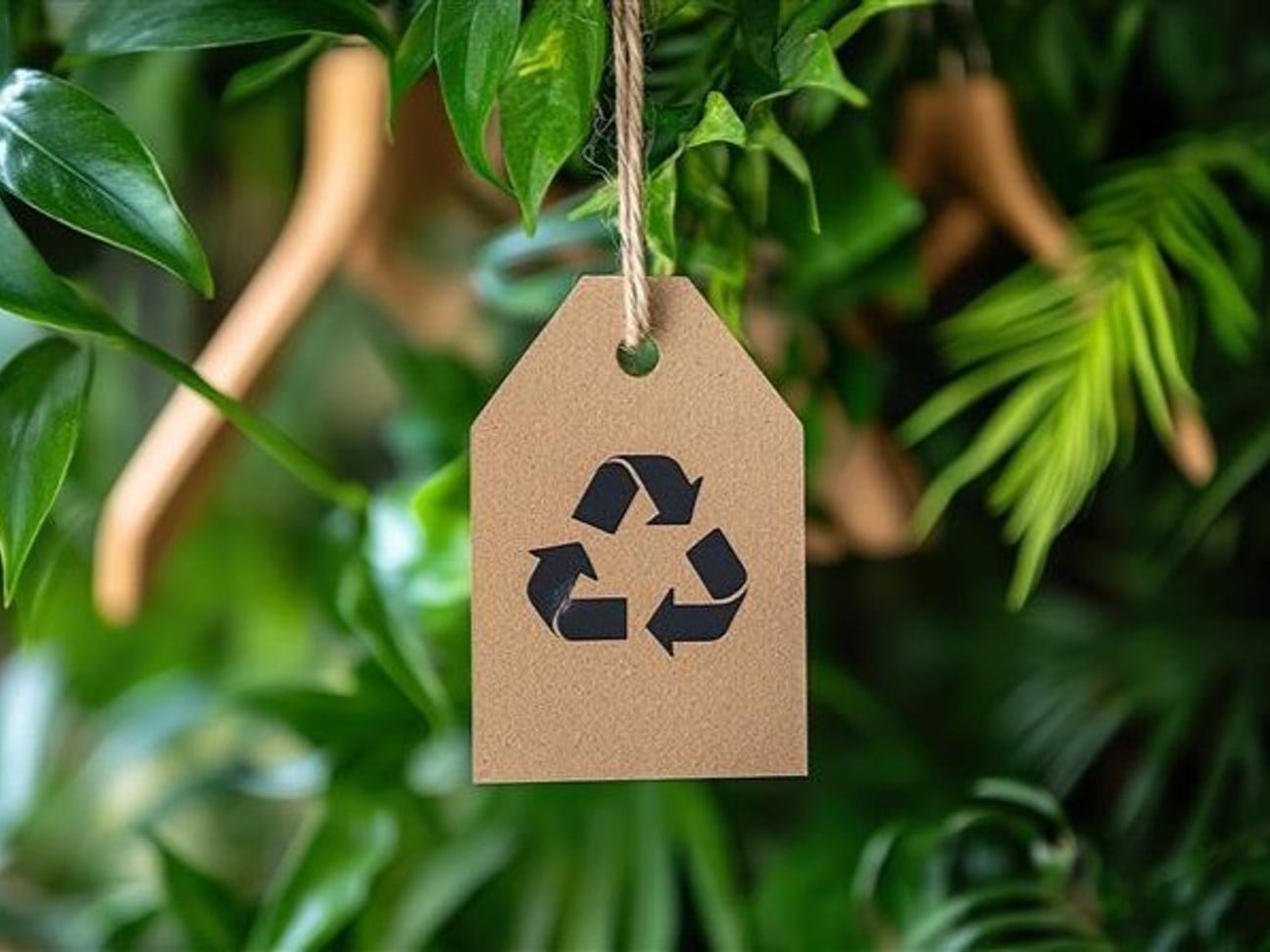
The concept of a "green office" has evolved far beyond a simple trend. Today, teams, clients, and investors demand genuine, measurable action, not just good intentions. Creating an authentically sustainable workplace is not merely an ethical choice—it is a powerful business strategy that sparks innovation, builds brand reputation, and attracts top talent. This journey is not about making small, symbolic gestures; it is about embedding sustainability into the very DNA of how a business operates.
The path to real sustainability starts with a crucial shift in mindset. It requires a move past "greenwashing"—the practice of acting green without being truly committed—and the adoption of a holistic approach that touches every part of an organization's operations. This means going beyond basic recycling and energy-efficient lighting. It involves digging deeper into consumption habits, scrutinizing supply chains, and understanding the full impact workplaces have on the environment and the communities they serve.
So, what does authentic sustainability look like in practice? It comes down to a few key principles. Efforts must be open and backed by clear data, as what is not measured cannot be managed. Sustainability should be treated as a core, ongoing commitment, not a short-term project. It also needs to be woven into every part of the business, from procurement to employee engagement. Most importantly, it is about empowering teams. When people are given a sense of ownership, they become a powerful force for lasting change. All of these principles are held together by a commitment to continuous improvement, constantly adapting strategies and adopting the latest best practices.
Creating a truly sustainable office requires moving from ideas to tangible action. While essential measures like LED lighting are a good start, true sustainability goes further. For instance, exploring the generation of clean energy with on-site solar panels is a powerful step. A business must also move beyond simple recycling to implement comprehensive waste management strategies. This includes reducing single-use plastics, promoting reusable alternatives, starting composting programs for food waste, and finding better ways to handle electronic waste. By embracing a circular economy, resources are kept in use for as long as possible.
Purchasing decisions also carry significant environmental weight. A truly sustainable office prioritizes materials from suppliers with strong ethical credentials, choosing recycled products and supporting local businesses. In many regions, water conservation is critical. Businesses can implement water-efficient fixtures and explore rainwater harvesting systems. Lastly, since commuting is a major source of emissions, encouraging sustainable transportation by providing incentives like bike racks and charging stations for electric vehicles is a key initiative.
The most effective sustainability initiatives are those where teams feel a sense of ownership. By fostering a culture of environmental awareness through regular communication and training, people are empowered to make sustainable choices both in and out of the office. For new spaces, there is an opportunity to build green from the ground up, while existing offices can undergo retrofitting projects to significantly improve their performance. Beyond the ethical reasons, there is a powerful business case for authentic sustainability. It enhances a brand, attracts eco-conscious customers and investors, and boosts employee morale. These measures also lead to direct cost savings and can drive innovation, providing a competitive edge. By proactively addressing environmental and social risks, a business is also protecting its future.
As an industry leader, there is a responsibility to go beyond superficial efforts and champion authentic sustainability. By embedding these practices into the core of operations and actively engaging teams, modern offices can be created that are not only efficient and productive but also contribute to a healthier planet. Moving beyond greenwashing and building a legacy that inspires others to follow is the goal.
The path to real sustainability starts with a crucial shift in mindset. It requires a move past "greenwashing"—the practice of acting green without being truly committed—and the adoption of a holistic approach that touches every part of an organization's operations. This means going beyond basic recycling and energy-efficient lighting. It involves digging deeper into consumption habits, scrutinizing supply chains, and understanding the full impact workplaces have on the environment and the communities they serve.
So, what does authentic sustainability look like in practice? It comes down to a few key principles. Efforts must be open and backed by clear data, as what is not measured cannot be managed. Sustainability should be treated as a core, ongoing commitment, not a short-term project. It also needs to be woven into every part of the business, from procurement to employee engagement. Most importantly, it is about empowering teams. When people are given a sense of ownership, they become a powerful force for lasting change. All of these principles are held together by a commitment to continuous improvement, constantly adapting strategies and adopting the latest best practices.
Creating a truly sustainable office requires moving from ideas to tangible action. While essential measures like LED lighting are a good start, true sustainability goes further. For instance, exploring the generation of clean energy with on-site solar panels is a powerful step. A business must also move beyond simple recycling to implement comprehensive waste management strategies. This includes reducing single-use plastics, promoting reusable alternatives, starting composting programs for food waste, and finding better ways to handle electronic waste. By embracing a circular economy, resources are kept in use for as long as possible.
Purchasing decisions also carry significant environmental weight. A truly sustainable office prioritizes materials from suppliers with strong ethical credentials, choosing recycled products and supporting local businesses. In many regions, water conservation is critical. Businesses can implement water-efficient fixtures and explore rainwater harvesting systems. Lastly, since commuting is a major source of emissions, encouraging sustainable transportation by providing incentives like bike racks and charging stations for electric vehicles is a key initiative.
The most effective sustainability initiatives are those where teams feel a sense of ownership. By fostering a culture of environmental awareness through regular communication and training, people are empowered to make sustainable choices both in and out of the office. For new spaces, there is an opportunity to build green from the ground up, while existing offices can undergo retrofitting projects to significantly improve their performance. Beyond the ethical reasons, there is a powerful business case for authentic sustainability. It enhances a brand, attracts eco-conscious customers and investors, and boosts employee morale. These measures also lead to direct cost savings and can drive innovation, providing a competitive edge. By proactively addressing environmental and social risks, a business is also protecting its future.
As an industry leader, there is a responsibility to go beyond superficial efforts and champion authentic sustainability. By embedding these practices into the core of operations and actively engaging teams, modern offices can be created that are not only efficient and productive but also contribute to a healthier planet. Moving beyond greenwashing and building a legacy that inspires others to follow is the goal.