Article
Manufacturing 5.0: How India Is Building the Factories of the Future
October 8, 2025
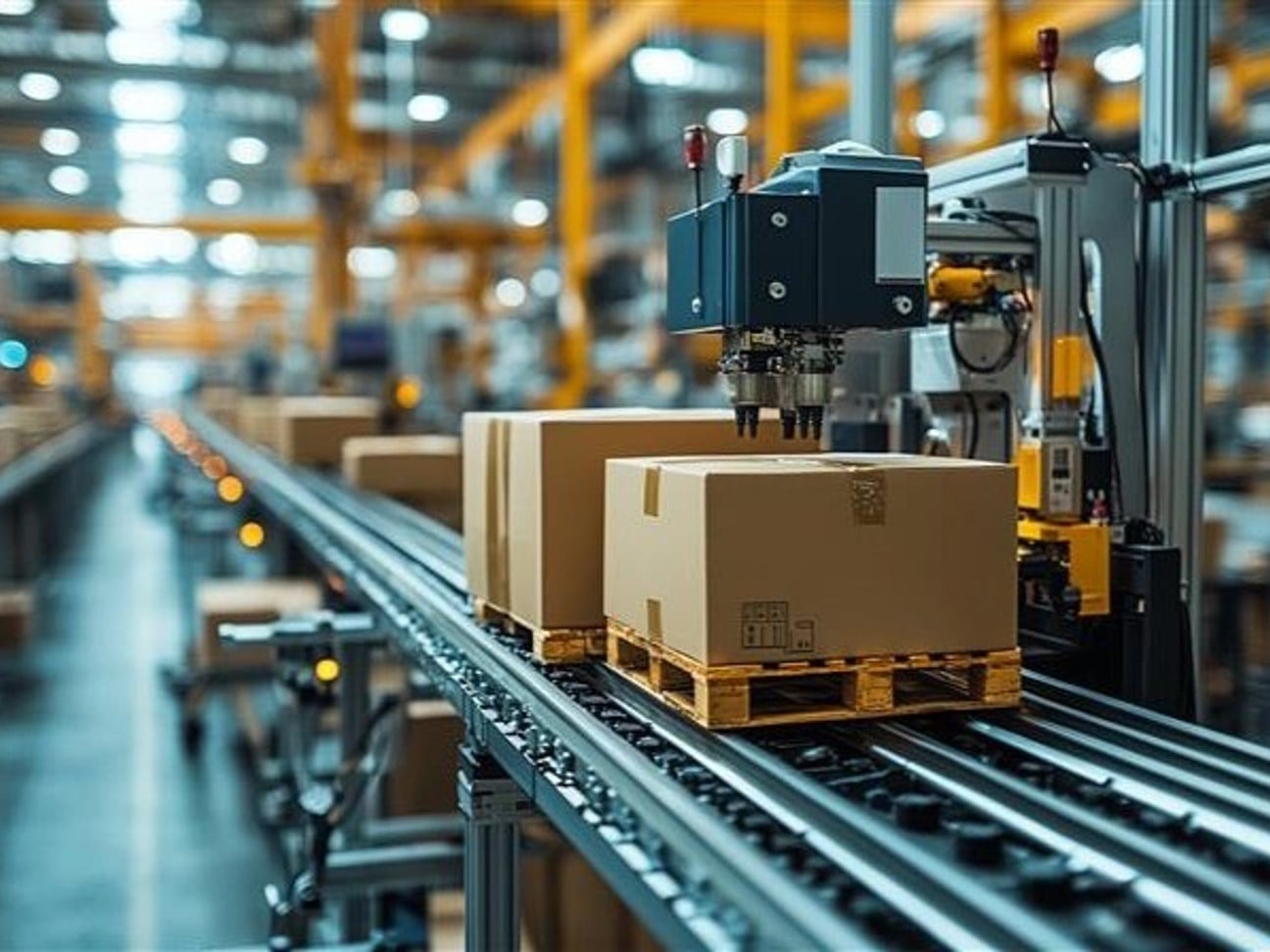
As the global manufacturing landscape undergoes a profound transformation, India is not just keeping pace—it's actively shaping the future. The conversation has moved beyond Industry 4.0's automation-centric focus to a new paradigm: Manufacturing 5.0, a model defined by resilience, agility, and sustainability. This era is characterized by what we call "Symbiotic Manufacturing," where industrial systems are viewed as interconnected ecosystems. Here, the waste of one process becomes a valuable resource for another, creating a circular, closed-loop system that is both efficient and ecologically conscious.
The shift towards this symbiotic model is fueled by three critical pillars: sustainability, technology, and human collaboration. On the sustainability front, the stakes are high for India, where manufacturing contributed 17% to the national GDP in 2023 but is also a significant source of greenhouse gas (GHG) emissions. The push for net-zero targets and regulatory frameworks is making sustainability a strategic imperative, driving industries to embrace systematic resource exchange.
Technology is the engine of this transformation. Real-time data from IoT sensors, along with AI and machine learning, are now being used to identify and optimize "waste-to-resource" opportunities. This is not a distant future; a recent survey reveals that 55% of Indian industrial product manufacturers already utilize AI, with ~ 40% planning to ramp up their investments in this area over the next three years. This digital prowess is further enhanced by the use of digital twins to simulate and perfect symbiotic scenarios before implementation.
Crucially, this evolution isn’t just about machines; it's about people. Manufacturing 5.0 places a strong emphasis on human collaboration. We are seeing a rise in human-machine synergy, where collaborative robots (cobots) handle repetitive tasks, freeing up the workforce to focus on more complex, value-added activities. This necessitates a proactive approach to skill development, as the report indicates that 40% of current job skill requirements are expected to change within the next five years in advanced manufacturing.
India, positioned as an "Agile Adaptor," is uniquely equipped to lead this charge. With a median age of just 28, it has the youngest workforce in the APAC region—a significant demographic dividend. This, combined with supportive policies like the Production-Linked Incentive (PLI) scheme and strategic trade agreements, is solidifying India's position as a compelling alternative to traditional manufacturing hubs. Indian manufacturers are bullish, with 93% embracing Industry 5.0 to drive sustainability and projecting a robust 6.42% revenue growth over the next two years.
A linchpin of this modernization is the development of next-generation industrial parks. These parks are evolving from basic technological integration to fully integrated ecosystems. The vision is for future parks to include robust technology, mature circular economy principles, and comprehensive amenities for workforce well-being, such as urban forests and on-site medical centers. This holistic approach ensures these hubs not only attract investment but also foster sustainable urbanization and community development.
India is not just building factories; it is building the symbiotic, technologically advanced, and human-centric industrial ecosystems of the future. This is Manufacturing 5.0, and India is leading the way.
The shift towards this symbiotic model is fueled by three critical pillars: sustainability, technology, and human collaboration. On the sustainability front, the stakes are high for India, where manufacturing contributed 17% to the national GDP in 2023 but is also a significant source of greenhouse gas (GHG) emissions. The push for net-zero targets and regulatory frameworks is making sustainability a strategic imperative, driving industries to embrace systematic resource exchange.
Technology is the engine of this transformation. Real-time data from IoT sensors, along with AI and machine learning, are now being used to identify and optimize "waste-to-resource" opportunities. This is not a distant future; a recent survey reveals that 55% of Indian industrial product manufacturers already utilize AI, with ~ 40% planning to ramp up their investments in this area over the next three years. This digital prowess is further enhanced by the use of digital twins to simulate and perfect symbiotic scenarios before implementation.
Crucially, this evolution isn’t just about machines; it's about people. Manufacturing 5.0 places a strong emphasis on human collaboration. We are seeing a rise in human-machine synergy, where collaborative robots (cobots) handle repetitive tasks, freeing up the workforce to focus on more complex, value-added activities. This necessitates a proactive approach to skill development, as the report indicates that 40% of current job skill requirements are expected to change within the next five years in advanced manufacturing.
India, positioned as an "Agile Adaptor," is uniquely equipped to lead this charge. With a median age of just 28, it has the youngest workforce in the APAC region—a significant demographic dividend. This, combined with supportive policies like the Production-Linked Incentive (PLI) scheme and strategic trade agreements, is solidifying India's position as a compelling alternative to traditional manufacturing hubs. Indian manufacturers are bullish, with 93% embracing Industry 5.0 to drive sustainability and projecting a robust 6.42% revenue growth over the next two years.
A linchpin of this modernization is the development of next-generation industrial parks. These parks are evolving from basic technological integration to fully integrated ecosystems. The vision is for future parks to include robust technology, mature circular economy principles, and comprehensive amenities for workforce well-being, such as urban forests and on-site medical centers. This holistic approach ensures these hubs not only attract investment but also foster sustainable urbanization and community development.
India is not just building factories; it is building the symbiotic, technologically advanced, and human-centric industrial ecosystems of the future. This is Manufacturing 5.0, and India is leading the way.