Article
India: The Undisputed Global Powerhouse for GCCs
January 29, 2026
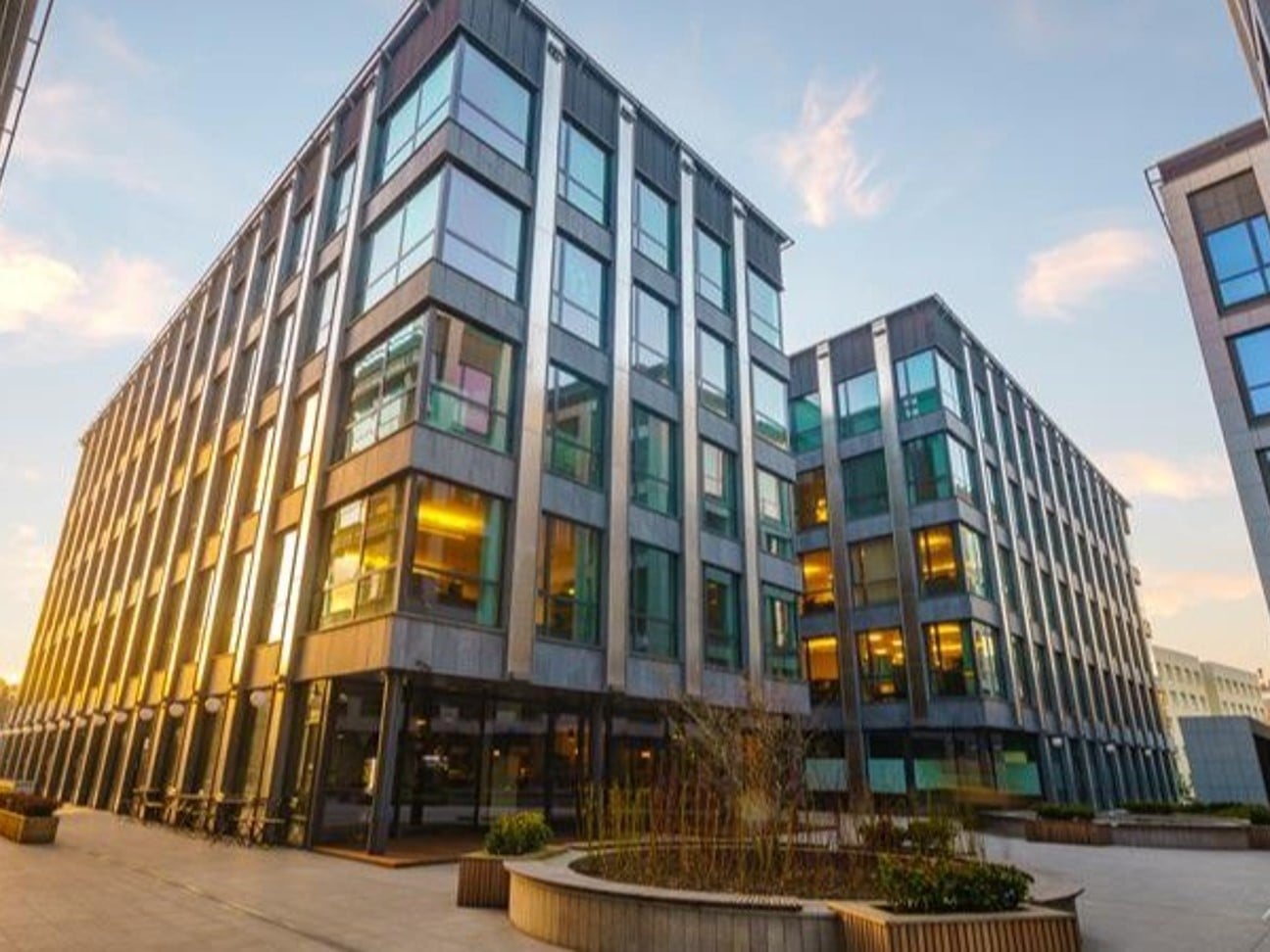
India has rapidly ascended to become the undisputed global capital for Global Capability Centres (GCCs). Initially perceived as a destination for cost-effective operations for multinational corporations (MNCs), these centres have matured into dynamic hubs of innovation and cutting-edge technological advancement.
Today, India's GCC ecosystem thrives by leveraging the nation's vast and diverse talent pool, its burgeoning startup ecosystem, and its inherent cost advantages to cultivate work environments that actively foster growth, spark creativity, and prioritize the overall well-being of professionals. This profound transformation is not only significantly reshaping India’s economic landscape but is also firmly positioning the country as a pivotal player in the future of global business operations.
For years, India's Tier-I cities – Bengaluru, Hyderabad, Pune, and Chennai – have stood at the forefront of hosting GCCs. These established hubs, renowned for their thriving business environments, the abundance of skilled talent they attract, and their robust infrastructure, have consistently drawn global companies eager to tap into India's capable workforce at a fraction of the cost prevalent in developed markets. The sustained evolution of these cities, propelled by rapid economic growth, has fostered the development of a comprehensive ecosystem that not only nurtures innovation but also excels in talent retention.
Leading this charge is Bengaluru, often hailed as the 'Silicon Valley of India.’ It remains the undisputed crown jewel within India’s expansive GCC landscape. The city has organically evolved into a global technology hub, proudly hosting the campuses of tech giants such as Google, Microsoft, and Infosys. Boasting vibrant technology parks, seamless connectivity to international markets, and a formidable tech workforce exceeding two million professionals, Bengaluru continues to be a prime hotspot for innovation, particularly in critical areas like software development, artificial intelligence (AI), and advanced data analytics. The proactive Karnataka Global Capability Center (GCC) Policy- 2024 is anticipated to further catalyse job growth and attract even more global companies to this innovation-driven metropolis.
Similarly, Chennai, a city with a long-standing and well-recognized expertise in both Information Technology (IT) and Business Process Outsourcing (BPO), continues to be a significant draw for global corporations. The city offers a compelling combination of an abundant and skilled labour force, top-tier infrastructure, and a consistently favourable business climate. The establishment of Global Capability Centres in Chennai has been particularly prominent within the IT services and the manufacturing sectors.
Hyderabad, renowned for its dynamic HITEC City and its emergence as a significant pharmaceutical and IT centre, has also witnessed a substantial surge in GCC activity. Major global firms, including Accenture, Deloitte, and Microsoft, have made significant investments in the city. Hyderabad's strong governmental support, its competitive labour costs, and its highly skilled workforce collectively make it an exceptionally attractive location for tech-focused GCCs, especially those engaged in cutting-edge research and development (R&D) activities.
Pune, historically recognized as a prominent hub for Banking, Financial Services, and Insurance (BFSI), is also experiencing a vibrant renaissance as a preferred destination for GCCs, particularly within sectors such as automotive and engineering. Pune’s strategic proximity to Mumbai, India’s financial capital, coupled with its strong network of academic institutions consistently producing highly qualified graduates in engineering and management, positions it as an ideal location for high-tech and cost-efficient business operations.
Gurugram, the nucleus of Delhi NCR's burgeoning commercial landscape, stands as a significant magnet for GCC investments. Its strategic location, coupled with robust infrastructure and a thriving ecosystem of multinational corporations, makes it a prime destination. The region's skilled talent pool, drawn from across North India, and its connectivity through the international airport and metro network, further amplify its attractiveness. As Delhi NCR continues to evolve as a key business hub, Gurugram is at the forefront, hosting a diverse range of GCCs that are contributing significantly to the region's economic dynamism and solidifying its position on India's GCC map.
While these established urban centres continue to anchor India's GCC landscape, emerging cities like Ahmedabad and Kochi are rapidly gaining significant traction within the global business ecosystem. These rising hubs offer unique and compelling advantages that are making them strong contenders in India’s increasingly competitive GCC market.
In conclusion, India's undisputed position as the global powerhouse for GCCs is not just about cost efficiency; it's a testament to the nation's dynamic talent, robust technological advancements, and evolving business ecosystem. This influx of global enterprises is catalysing economic growth, creating widespread employment, and fostering the development of a highly skilled workforce. As India continues to nurture innovation and expand its capabilities across both established and emerging cities, its role as a critical engine in the global business landscape will only become more pronounced, solidifying its status as the preeminent destination for global capability centres and a key driver of the future of work.
Today, India's GCC ecosystem thrives by leveraging the nation's vast and diverse talent pool, its burgeoning startup ecosystem, and its inherent cost advantages to cultivate work environments that actively foster growth, spark creativity, and prioritize the overall well-being of professionals. This profound transformation is not only significantly reshaping India’s economic landscape but is also firmly positioning the country as a pivotal player in the future of global business operations.
For years, India's Tier-I cities – Bengaluru, Hyderabad, Pune, and Chennai – have stood at the forefront of hosting GCCs. These established hubs, renowned for their thriving business environments, the abundance of skilled talent they attract, and their robust infrastructure, have consistently drawn global companies eager to tap into India's capable workforce at a fraction of the cost prevalent in developed markets. The sustained evolution of these cities, propelled by rapid economic growth, has fostered the development of a comprehensive ecosystem that not only nurtures innovation but also excels in talent retention.
Leading this charge is Bengaluru, often hailed as the 'Silicon Valley of India.’ It remains the undisputed crown jewel within India’s expansive GCC landscape. The city has organically evolved into a global technology hub, proudly hosting the campuses of tech giants such as Google, Microsoft, and Infosys. Boasting vibrant technology parks, seamless connectivity to international markets, and a formidable tech workforce exceeding two million professionals, Bengaluru continues to be a prime hotspot for innovation, particularly in critical areas like software development, artificial intelligence (AI), and advanced data analytics. The proactive Karnataka Global Capability Center (GCC) Policy- 2024 is anticipated to further catalyse job growth and attract even more global companies to this innovation-driven metropolis.
Similarly, Chennai, a city with a long-standing and well-recognized expertise in both Information Technology (IT) and Business Process Outsourcing (BPO), continues to be a significant draw for global corporations. The city offers a compelling combination of an abundant and skilled labour force, top-tier infrastructure, and a consistently favourable business climate. The establishment of Global Capability Centres in Chennai has been particularly prominent within the IT services and the manufacturing sectors.
Hyderabad, renowned for its dynamic HITEC City and its emergence as a significant pharmaceutical and IT centre, has also witnessed a substantial surge in GCC activity. Major global firms, including Accenture, Deloitte, and Microsoft, have made significant investments in the city. Hyderabad's strong governmental support, its competitive labour costs, and its highly skilled workforce collectively make it an exceptionally attractive location for tech-focused GCCs, especially those engaged in cutting-edge research and development (R&D) activities.
Pune, historically recognized as a prominent hub for Banking, Financial Services, and Insurance (BFSI), is also experiencing a vibrant renaissance as a preferred destination for GCCs, particularly within sectors such as automotive and engineering. Pune’s strategic proximity to Mumbai, India’s financial capital, coupled with its strong network of academic institutions consistently producing highly qualified graduates in engineering and management, positions it as an ideal location for high-tech and cost-efficient business operations.
Gurugram, the nucleus of Delhi NCR's burgeoning commercial landscape, stands as a significant magnet for GCC investments. Its strategic location, coupled with robust infrastructure and a thriving ecosystem of multinational corporations, makes it a prime destination. The region's skilled talent pool, drawn from across North India, and its connectivity through the international airport and metro network, further amplify its attractiveness. As Delhi NCR continues to evolve as a key business hub, Gurugram is at the forefront, hosting a diverse range of GCCs that are contributing significantly to the region's economic dynamism and solidifying its position on India's GCC map.
While these established urban centres continue to anchor India's GCC landscape, emerging cities like Ahmedabad and Kochi are rapidly gaining significant traction within the global business ecosystem. These rising hubs offer unique and compelling advantages that are making them strong contenders in India’s increasingly competitive GCC market.
In conclusion, India's undisputed position as the global powerhouse for GCCs is not just about cost efficiency; it's a testament to the nation's dynamic talent, robust technological advancements, and evolving business ecosystem. This influx of global enterprises is catalysing economic growth, creating widespread employment, and fostering the development of a highly skilled workforce. As India continues to nurture innovation and expand its capabilities across both established and emerging cities, its role as a critical engine in the global business landscape will only become more pronounced, solidifying its status as the preeminent destination for global capability centres and a key driver of the future of work.